Focus
Role
Head Designer
Timeline
Fall 2025, Spring 2026
Tools

A Thesis Project - Background
I’ve played soccer my entire life, and my first exposure to wearable tracking in athletics came at a showcase while in high school in 2019. I wore a Catapult vest to track my GPS data and top speed; Little did I know, this company and this market as a whole were about to get a whole lot bigger.
From FitBits to responsive helmets for concussions, sports tech has a wide range, and my background in sports made me want to get involved. For my first project in the MID, I interviewed some friends playing collegiate football regarding the tracking devices they used, and I was hooked. They had alot of positive things to say about them, but they also had many critiques. Whether that be the lack of metrics measured unrelated to heart rate or an inability to make use of their data, athletes want badly to understand their bodies and optimize them. That being said, sports tech has infinite space to grow, and I wanted to explore that space. I wanted to build something that further helps athletes understand their bodies, something that bridged the gap between coaches, athletes and performance data.


When speaking to the members of the mens soccer team, I had 3 areas of physical function that were overwhelmingly spoken about. These were flexion in the heel, issues with the lacing system, and frustration with getting the boot on. below shows how these issues took a large majority of the conversations conducted.


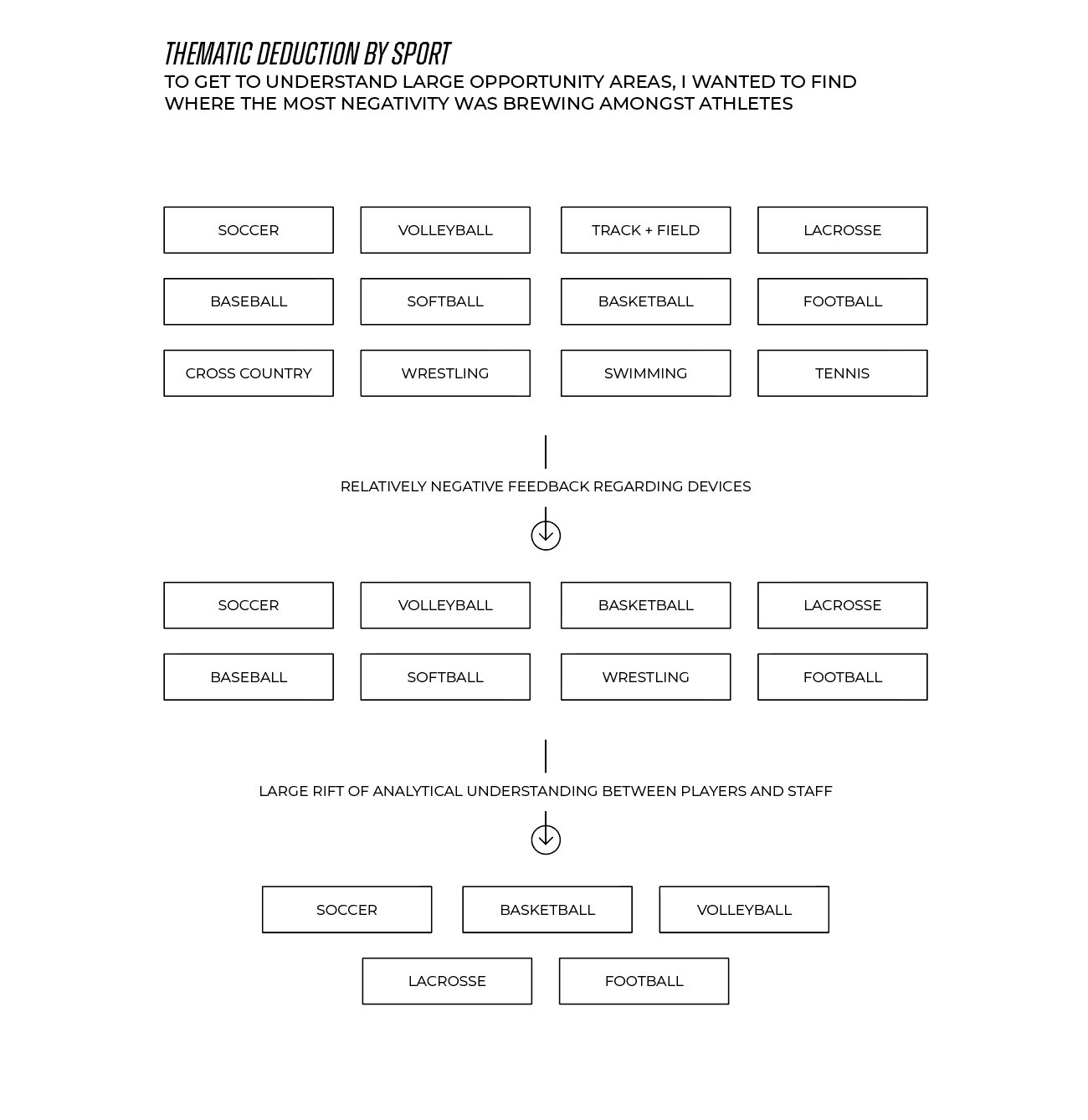


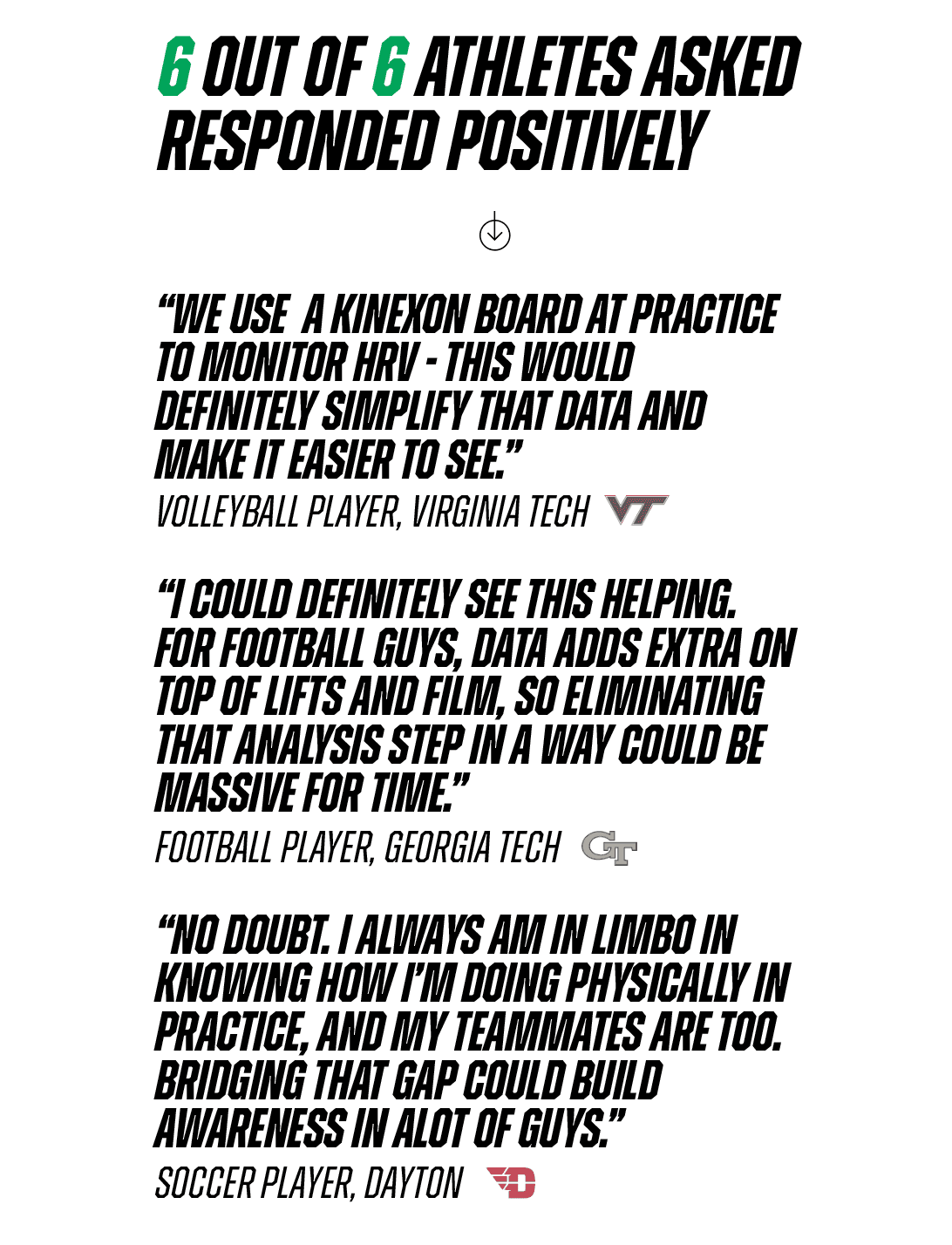
Combing through all the feedback I received from athletes, it was clear to me that the devices themselves worked just fine. They stayed on well, collected data accurately. The gap came after the device was used, and it came in the form of a lack of communication. Data was being withheld by coaches, or it proved to be hard to understand to athletes. From here, I had one goal :
Make this data easier to access and more useful, in real time.


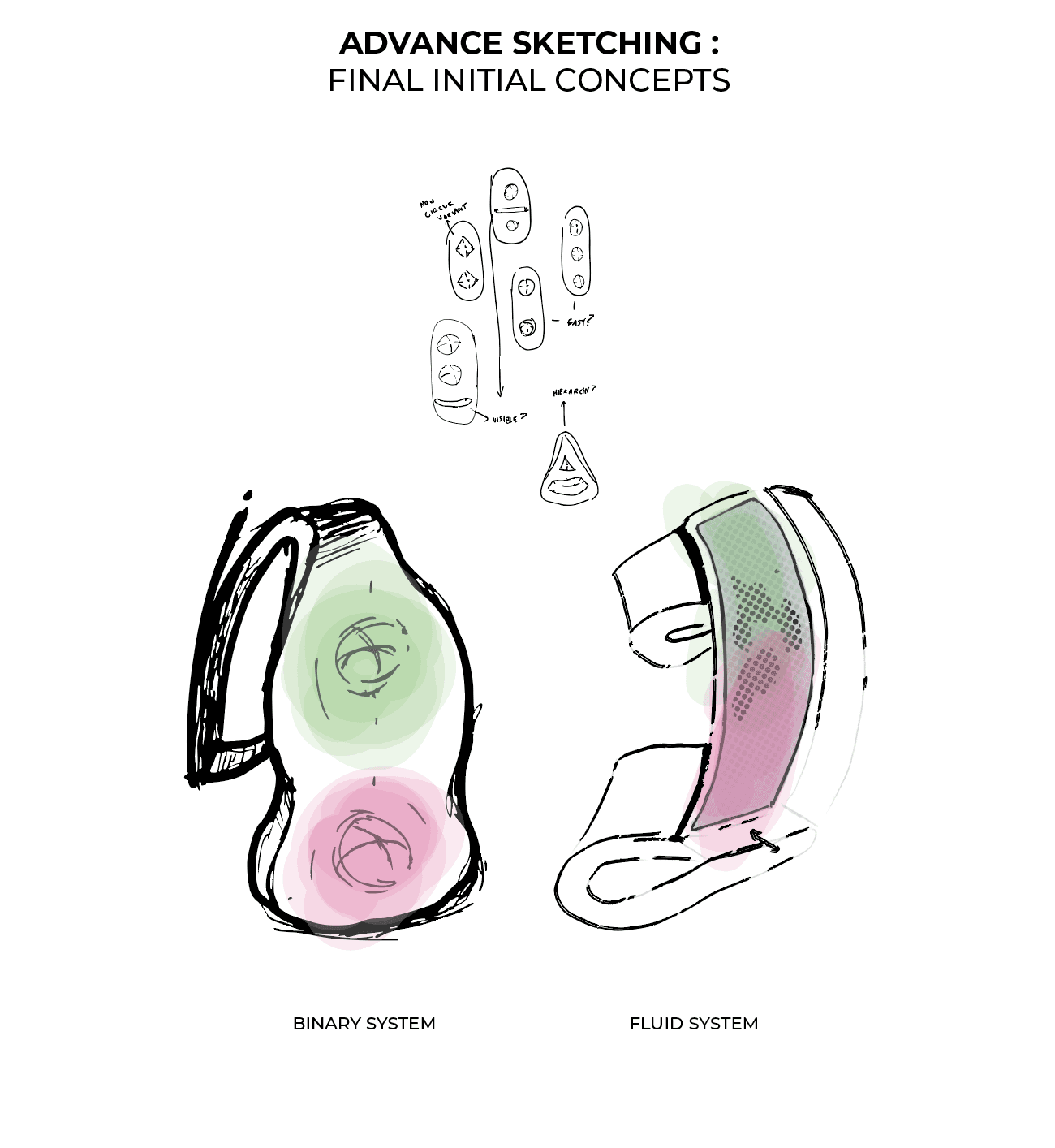
At this point, I had decided on a light based device. One of my interview participants actually propped this up perfectly without realizing it - he said the most important thing while playing is performance, and anything that makes an athlete think about something other than the game is a problem. This signal has to be so ambient and so intuitive that interpreting it costs the athlete almost zero cognitive load.
A color shift they can read in a tenth of a second is very different from a number they have to evaluate. A range of color is much less intrusive then binary or blinking LED lights.




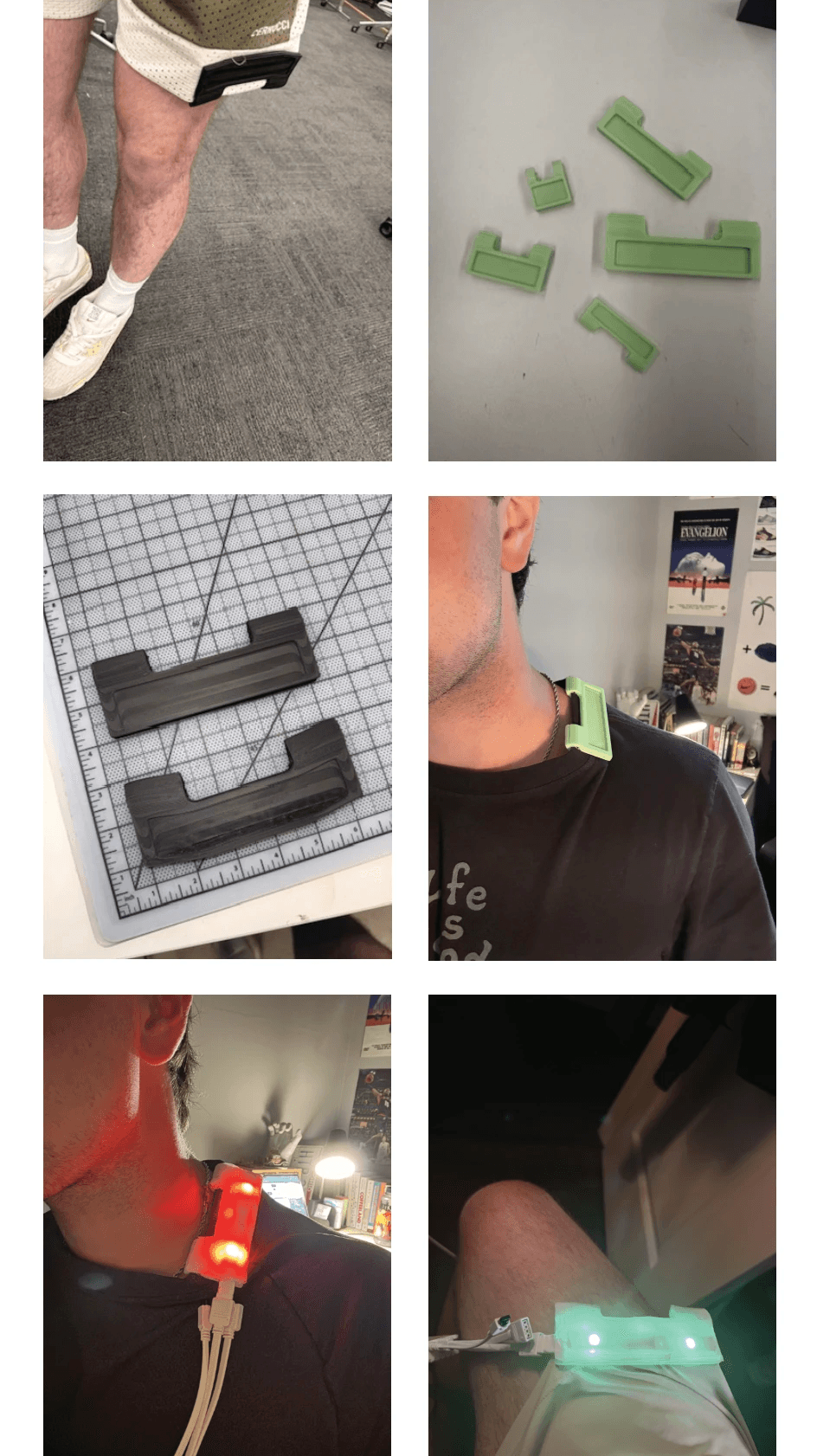



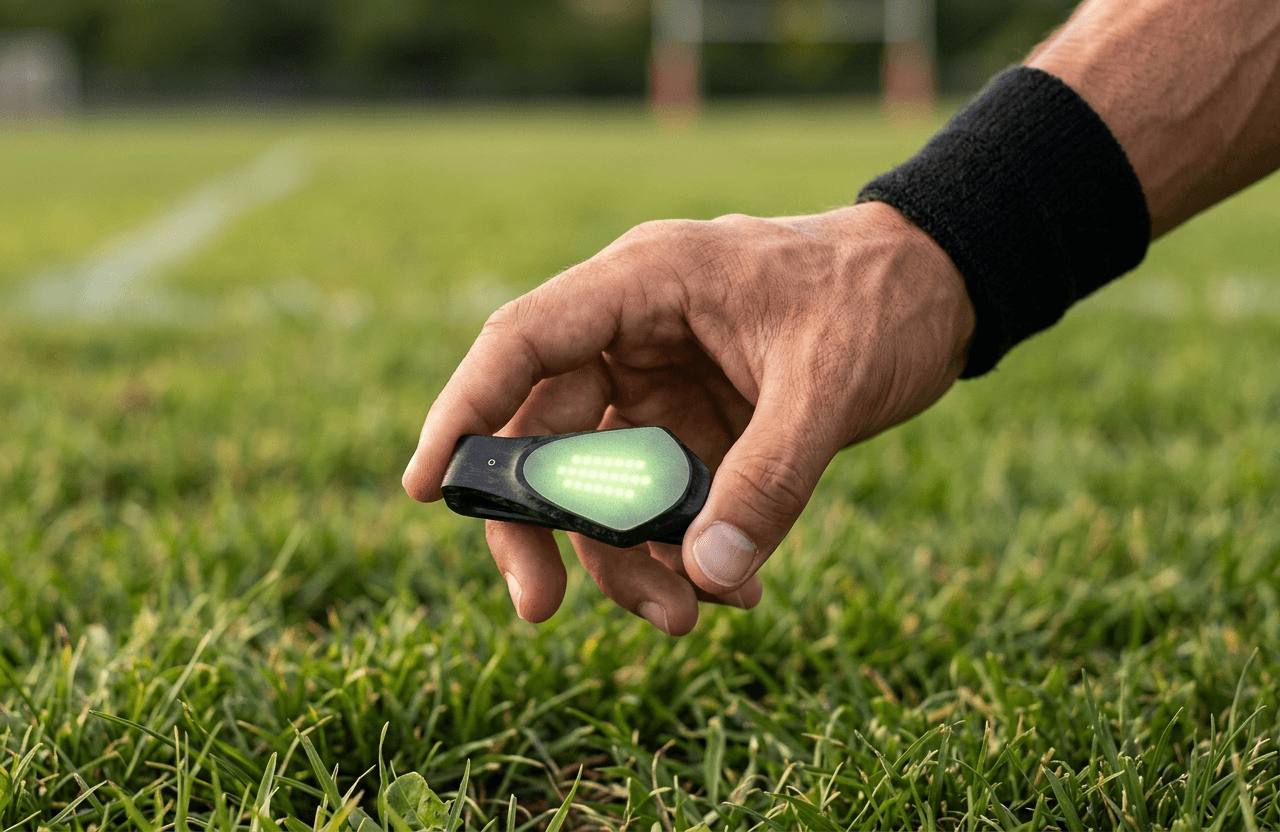
This final product, dubbed “Shark Wrap”, is an athletic wearable that works to communicate body metric data as opposed to track it itself. As a whole, it intends to decrease cognitive load for athletes and coaches by minimizing real time numerical tracking and the need for intense statistical review during and in between sessions. As a byproduct, it works to prevent injury and improve performance in real time.
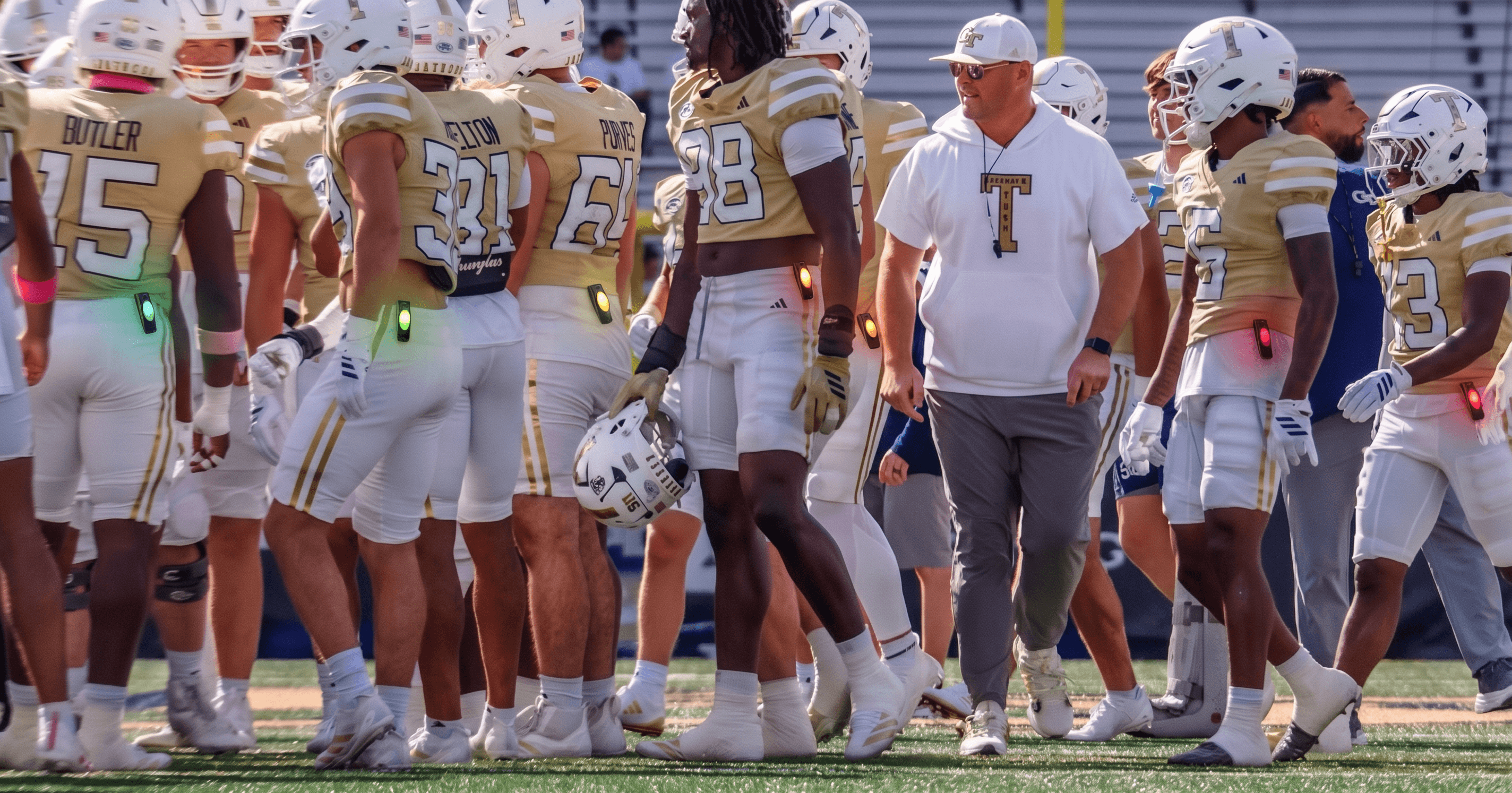
It does this by ommitting a colored LED light that equates to a bodily metric assigned by the athlete or a staffer. The Shark Wrap pairs to another wearable tracker, and, when a data value increases or decreases, the LED color changes ambiently. It fluidly changes between green, yellow, orange and red.
Most of the time an athlete should be “in the green”, meaning that their data value is in a healthy range. When a light transititions to a yellow, orange, or red, it intends to garner a response from the athlete, a teammate or a sideline coach.
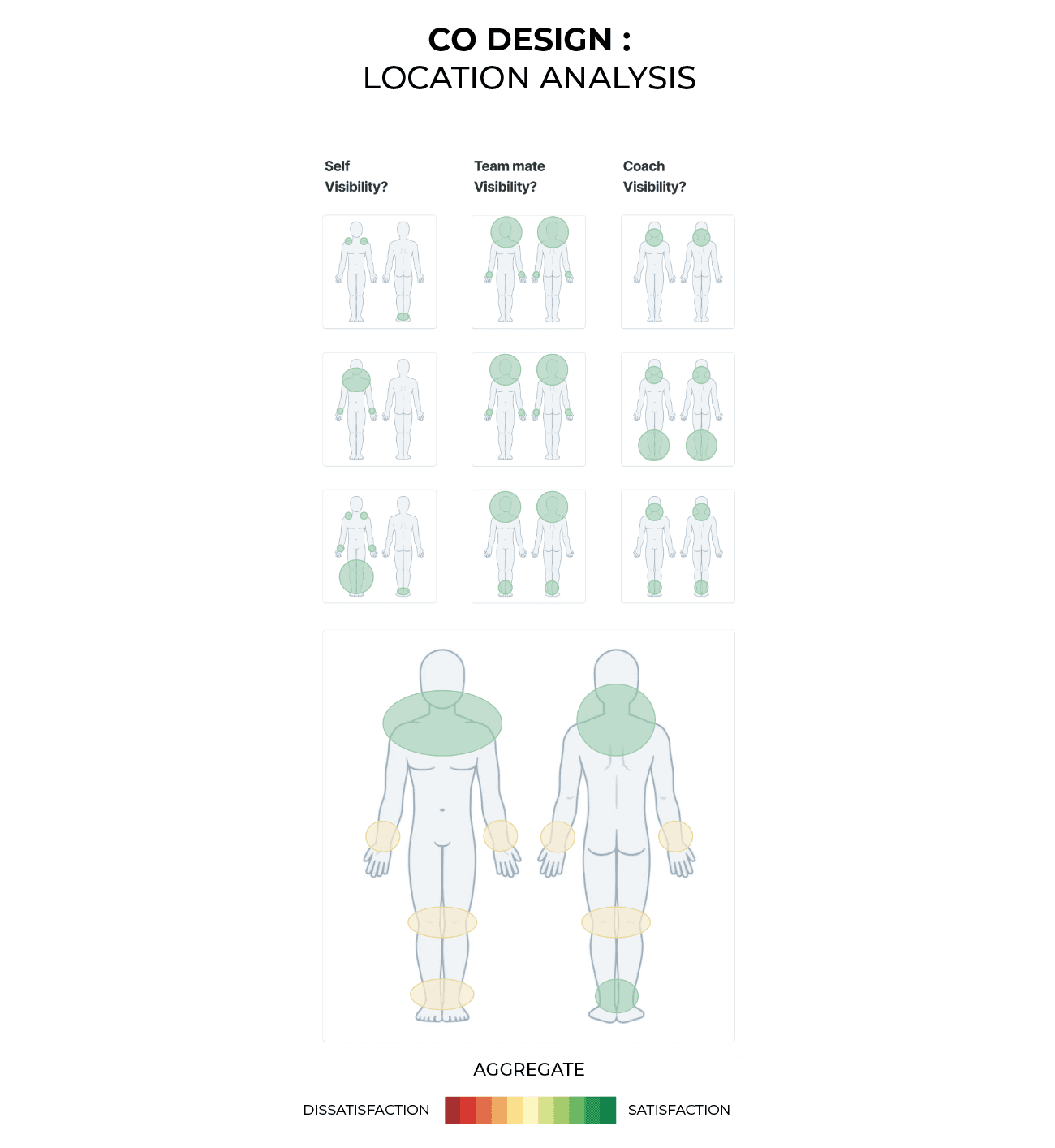
Additonally, this device is intended for team sports with sideline coaching. The goal of this device is visible communication, so when you have teammates or a coach that could naturally see your bodily state on a relative scale, it is more likely that you can make adjustments in real time.
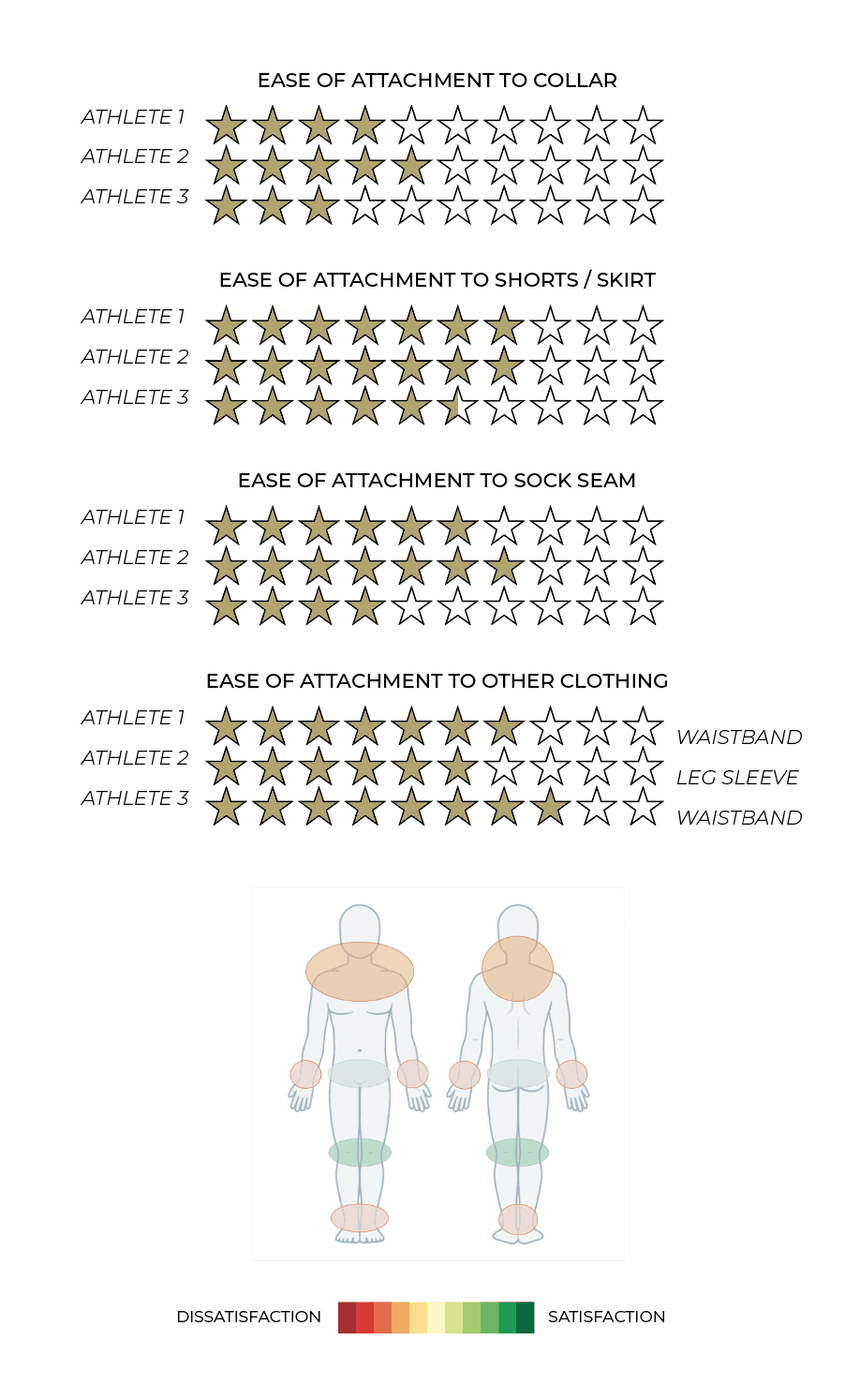
The name “Shark Wrap” comes from the device’s motivations and functions. It uses a spring clip to naturally “wrap” around a garment. Originally meant for the collar of a shirt or jersey, later data showed high visibility at the edge of shorts, skirts, and socks as well. The “Shark” motif comes from the device’s nature - to always be in motion.